The Rise of Laneway Homes and Garden Suites in BC
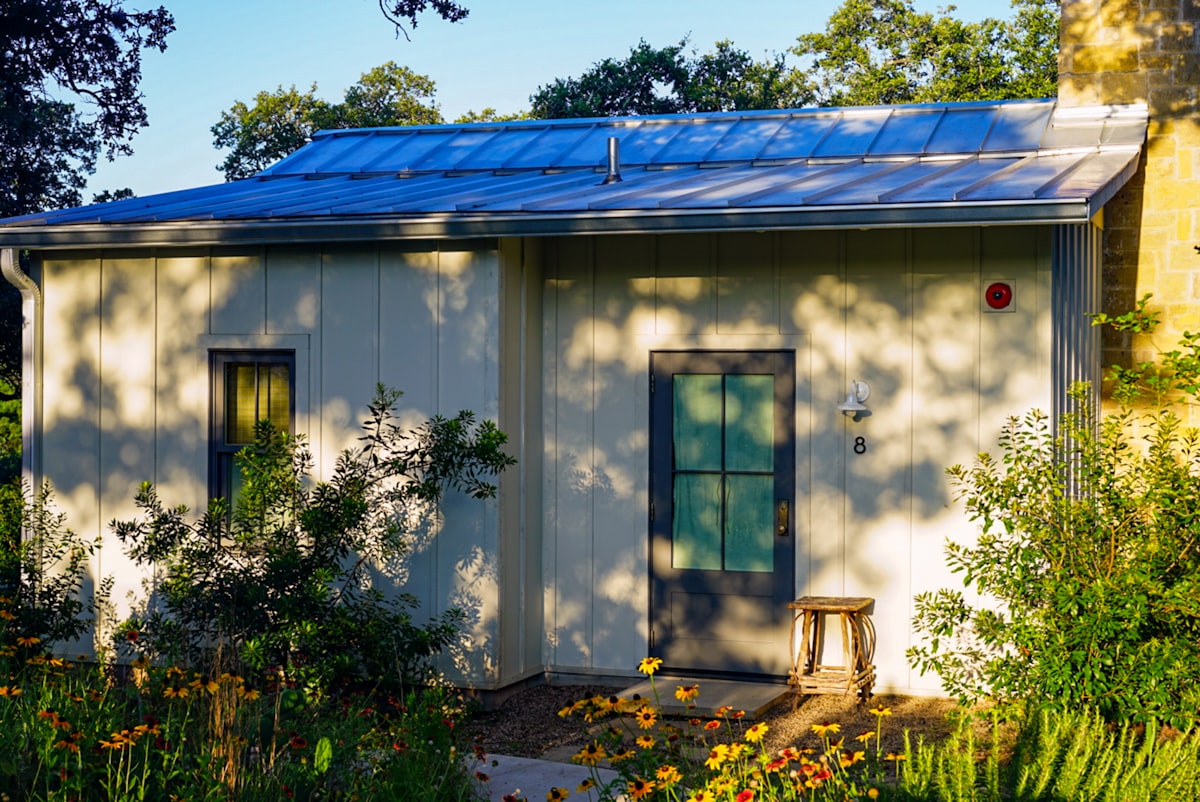
Photo by Megan Bucknall on Unsplash
British Columbia is experiencing a fundamental shift in residential housing policy that is reshaping how homeowners think about property development. The province's recent legislative changes, particularly Bill 44 and Bill 25, have legalized secondary suites and accessory dwelling units across all single-family residential zones in BC municipalities. This regulatory transformation has made laneway homes and garden suites increasingly viable options for homeowners seeking to generate rental income, accommodate family members, or contribute to the province's affordable housing crisis. As of 2026, these once-niche housing solutions are becoming mainstream investment strategies across Metro Vancouver, the Fraser Valley, and beyond.
The timing of this shift is significant. With single-detached home prices continuing to rise across BC's major markets, many homeowners are turning to secondary dwellings as a practical way to unlock their property's full potential. These accessory dwelling units represent a creative middle ground between maintaining single-family character and increasing residential density where it's needed most. For investors and owner-occupants alike, understanding the mechanics of laneway homes and garden suites has become essential to making informed property decisions in 2026.
BC's Legislative Framework: Bill 44 and Bill 25 Explained
Bill 44, passed in fall 2023, established the foundation for BC's small-scale multi-unit housing revolution by permitting secondary suites and accessory dwelling units province-wide in single-family residential zones. This legislation was followed by Bill 25 in 2025, which clarified and expanded these provisions to ensure consistent implementation across all municipalities. Critically, municipalities must update their bylaws to comply with Bill 25 by June 30, 2026, creating a deadline that is accelerating development applications across the province.
The legislative framework establishes three distinct density tiers. In all single-family residential zones, secondary suites and accessory dwelling units like laneway homes are now permitted. In single-family and duplex zones within urban containment boundaries and municipalities with populations over 5,000, properties must permit three to four units of small-scale multi-unit housing. Finally, on lots greater than 280 square meters near frequent bus service, six units must be permitted. This tiered approach allows communities to increase housing supply while maintaining neighborhood character.
For homeowners, the practical implication is straightforward: if you own a single-family home with sufficient lot size, you likely now have the legal right to add a secondary suite or detached accessory dwelling unit, regardless of previous local restrictions. This represents a fundamental shift from the previous era when many Vancouver and BC municipalities actively prohibited such developments.
Understanding Laneway Homes: Specifications and Constraints
Laneway houses in Vancouver are subject to specific size and design regulations that define their development potential. Under current Vancouver regulations, laneway houses can be a maximum of 900-950 square feet, up to 1.5 storeys tall, and must be located at the rear of the property, typically above a garage or parking space. These dimensional constraints reflect the city's intent to maintain neighborhood compatibility while enabling additional housing supply.
A critical limitation that affects investment strategy is that laneway houses cannot be stratified and sold separately from the main house. This means a laneway house remains part of the primary property, adding value to the whole but not convertible to independent ownership. For homeowners, this constraint means laneway house returns come primarily from rental income rather than capital gains or future sale proceeds. This distinction is fundamental to evaluating whether a laneway house investment makes financial sense for your specific situation.
The rental income potential for laneway homes in Vancouver neighborhoods is substantial. A two-bedroom laneway house of approximately 850 square feet can generate $2,800 to $3,500 per month in rental income across most Vancouver neighborhoods. After accounting for a 5 percent vacancy allowance, effective monthly income ranges from $2,660 to $3,325, translating to annual gross income of $31,920 to $39,900. This income stream provides a meaningful mortgage helper or investment return for property owners.
Investment Returns and Cost Analysis for 2026
The financial case for laneway home development has become increasingly compelling for Vancouver homeowners. Realistic construction costs in 2026 vary based on finishes and complexity, but the comparison between laneway house development and selling to a developer illustrates the value creation potential. In a detailed development scenario, a property developer could generate gross proceeds of $6,900,000 from a multi-unit development, with development costs of $4,100,000 and sales costs of $345,000 (5 percent), resulting in net proceeds of $2,455,000.
When compared to simply selling an undeveloped lot to a developer for $3.5 million, developing a laneway home and multiplex scenario generates approximately $1,755,000 in additional value. This calculation demonstrates that homeowners who have the capital and patience to develop their properties themselves can capture significantly more value than accepting a developer's offer for raw land.
The timeline for laneway house completion is considerably faster than multiplex development. A laneway house project typically requires 14 months from start to completion, compared to 28 months for multiplex development. This faster timeline means homeowners can begin generating rental income sooner and reduce their exposure to construction risk and market fluctuations. The out-of-pocket costs for a laneway house are approximately $560,000, making it an accessible option for many Metro Vancouver homeowners with existing equity.
The Broader Market Context: Laneway Homes Across BC
Laneway homes and secondary suites are no longer confined to Vancouver's urban core. The provincial legislative changes have created opportunities across diverse BC markets, from the North Shore and Squamish to the Okanagan and Sunshine Coast. In Vancouver and on the North Shore, adding a secondary suite or laneway home to a detached property is increasingly common and often encouraged by local bylaws. This shift reflects both market demand for rental housing and municipal recognition that these developments support broader affordability goals.
Regional variations in demand are notable. In Squamish and Whistler, demand for flexible housing is growing quickly, driven by both full-time residents and investors seeking to tap into year-round rental markets fueled by tourism and outdoor recreation. The Okanagan region continues to see rising interest in suite-equipped homes in Kelowna, Penticton, and Vernon, supporting everything from long-term rentals to multi-generational living arrangements. On the Sunshine Coast, where buyers seek a blend of affordability, lifestyle, and natural beauty, properties with income-generating potential are increasingly desirable.
Municipal policies are actively supporting these developments. Updated municipal zoning across BC is now facilitating laneway housing, secondary suites, and row housing, enabling greater density in established neighborhoods. The BC government's Secondary Suite Incentive Program, launched as part of the Homes for People action plan, provides additional support for homeowners willing to add rental suites to their properties. This comprehensive policy support, combined with the provincial legislative framework, creates a favorable environment for laneway home and garden suite development throughout BC in 2026 and beyond.
Key Takeaways
- BC's Bill 44 and Bill 25 legislation now permit secondary suites and accessory dwelling units across all single-family residential zones in the province, with municipal bylaw compliance required by June 30, 2026
- Vancouver laneway houses can be up to 950 square feet and 1.5 storeys, generating $2,800-$3,500 monthly rental income, though they cannot be sold separately from the main property
- A 14-month laneway house project with approximately $560,000 out-of-pocket costs generates $31,920-$39,900 in annual gross rental income and creates $1,755,000 in additional value compared to selling raw land to developers
- Laneway homes and garden suites are now viable in Metro Vancouver, the North Shore, Squamish, Whistler, the Okanagan, and the Sunshine Coast, with regional demand driven by local market conditions
- The BC government's Secondary Suite Incentive Program and updated municipal zoning policies actively support laneway home development as part of the province's broader housing supply and affordability strategy
Free Tools for Your Home Search
Have Questions About This Topic?
Get personalized advice from Rose Marie about your real estate goals.
Book a Free Consultation