BC Real Estate Market Forecast: What to Expect This Year
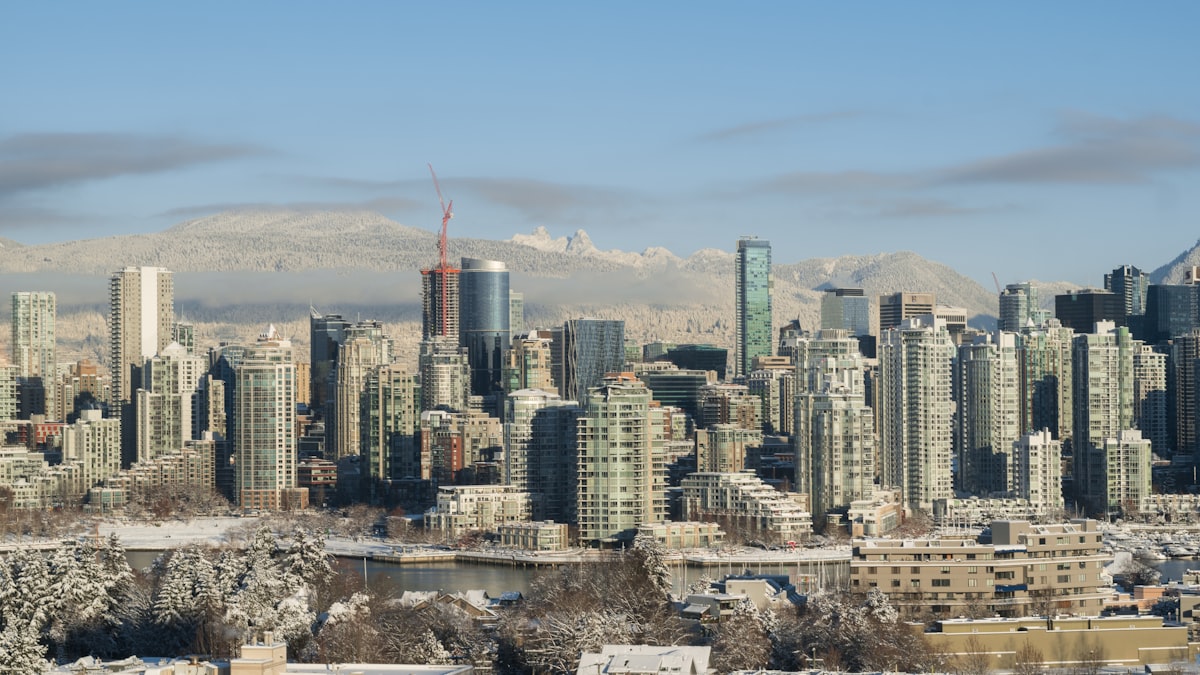
Photo by Albert Stoynov on Unsplash
The British Columbia real estate market enters 2026 after a challenging 2025, marked by the weakest home sales in over two decades, especially in Metro Vancouver where sales plunged 10%. High inventory levels not seen in nearly two decades have shifted power to buyers, creating opportunities in areas like Fraser Valley and Metro Vancouver neighborhoods such as Surrey and Langley. Experts from the BC Real Estate Association (BCREA) forecast a modest rebound, with sales approaching 10-year averages province-wide, though Metro Vancouver's recovery lags.
Pent-up demand from first-time buyers, stable mortgage rates, and improved affordability are key drivers, yet excess supply and economic uncertainties like tariffs temper optimism. National forecasts align, projecting 5.1% higher sales across Canada, led by BC and Ontario with over 8% growth. In BC, expect flat or slightly declining prices, particularly for detached homes, as inventory persists. This outlook focuses on Metro Vancouver and Fraser Valley, where conditions vary by property type and location.
2025 Recap: A Record Low Sets the Stage for Recovery
British Columbia's housing market hit rock bottom in 2025, with provincial sales dropping 5% and Metro Vancouver experiencing its worst year in 25 years, down 10%. Greater Vancouver Area (GVA) sales and prices fell sharply, with benchmark detached prices down 2% and condo prices off 3%, driven by broad weakness across property types. Fraser Valley saw similar softness, contributing to excess inventory that reached levels unseen in nearly two decades.
High supply overwhelmed demand, exacerbated by tariff fears and recession concerns that halted momentum mid-year. In Metro Vancouver hotspots like Vancouver proper and Burnaby, sales tumbled rapidly, while Fraser Valley areas such as Abbotsford faced resale condo gluts. Average prices declined about 3% provincially, with Vancouver down 10%, creating buyer leverage but seller challenges.
This backdrop primes 2026 for a gradual uptick. BCREA chief economist Brendon Ogmundson notes sales will edge closer to 10-year averages, supported by stable rates and pent-up demand, though Vancouver's rebound stays subdued.
Sales Forecast: Modest Gains Ahead in Key Regions
Expect a 5-10% sales increase in 2026, aligning with Central 1 economist Brian Yu's projection, though volumes remain low due to lingering inventory. Nationally, CREA forecasts 494,512 transactions, up 5.1% from 2025, with BC leading at over 8% growth alongside Ontario. Metro Vancouver will recover slower than the province, potentially below average, while Fraser Valley could see steadier activity from first-time buyers re-entering.
Pent-up demand, especially among those sidelined since 2020, fuels this upswing as rates stabilize without major drops. In Fraser Valley neighborhoods like Chilliwack and Mission, sales may pick up 8% or more, benefiting from provincial trends. Metro Vancouver's Surrey and Langley, with more affordable entry points around $1.2-1.5 million for detached homes, attract families seeking value.
TD Economics anticipates subdued activity persisting, with job markets softening slightly, but no rapid boom. Risks like trade volatility could cap gains, keeping 2026 from repeating past peaks.
Price Trends: Flat or Slightly Down, Buyer-Friendly Conditions
Home prices in BC will stay relatively flat in 2026, with Metro Vancouver facing downward pressure from excess supply. Median detached home prices in Greater Vancouver are projected to drop 5% from $1,695,700 in Q4 2025, hitting around $1.61 million. Nationally, average prices rise modestly 2.8% to $698,881, but BC sees smaller gains or stability.
Fraser Valley offers relative affordability, with benchmark prices for single-family homes in the $1.1-1.4 million range, less volatile than Vancouver core. Condo markets in both regions struggle, with GVA resale inventories elevated and prices down 3% last year; expect similar trends in Yaletown or Delta high-rises. Detached homes in Langley or Abbotsford hold firmer, around $1.3 million benchmark, buoyed by demand for space.
Buyers hold the upper hand, with selection across price points from $800,000 condos to $2 million detached in premium spots. Sellers must price realistically, as noted by realtor Adil Dinani.
Regional Spotlights and Buyer-Seller Strategies
Metro Vancouver splits into tales of two markets: core areas like Vancouver and Burnaby face slower recovery with high inventory, while suburbs like Surrey thrive on affordability, drawing 8%+ sales growth. Fraser Valley, including Langley and Abbotsford, mirrors this with steady demand for homes under $1.5 million, less impacted by urban condo oversupply.
Labour market recovery supports demand, though demographics and falling rental needs from immigration shifts add caution. Purpose-built rentals rise, easing some pressure, but resale condos lag. In Chilliwack, expect competitive bidding on well-priced family homes around $1 million.
Buyers should leverage inventory for negotiations in the $900,000-$2 million range; first-timers target Fraser Valley condos at $600,000-$800,000. Sellers need data-driven agents to align pricing, avoiding overoptimism in a buyer's market. Monitor rates and trade news for shifts.
Key Takeaways
- Sales rebound 5-10% in 2026, led by BC with over 8% growth, but Metro Vancouver lags due to high inventory.
- Prices remain flat or drop 5% for Metro Vancouver detached homes to ~$1.61M; Fraser Valley stays affordable at $1.1-1.4M.
- Buyers dominate with leverage in neighborhoods like Surrey, Langley, and Abbotsford; target $800K-$1.5M properties.
- Pent-up first-time buyer demand and stable rates drive modest recovery, with risks from tariffs.
- Sellers must price realistically; consult agents for data-aligned strategies amid two-decade high supply.
Free Tools for Your Home Search

Have Questions About This Topic?
Get personalized advice from Rose Marie about your real estate goals.
Book a Free Consultation