Understanding the BC Home Flipping Tax
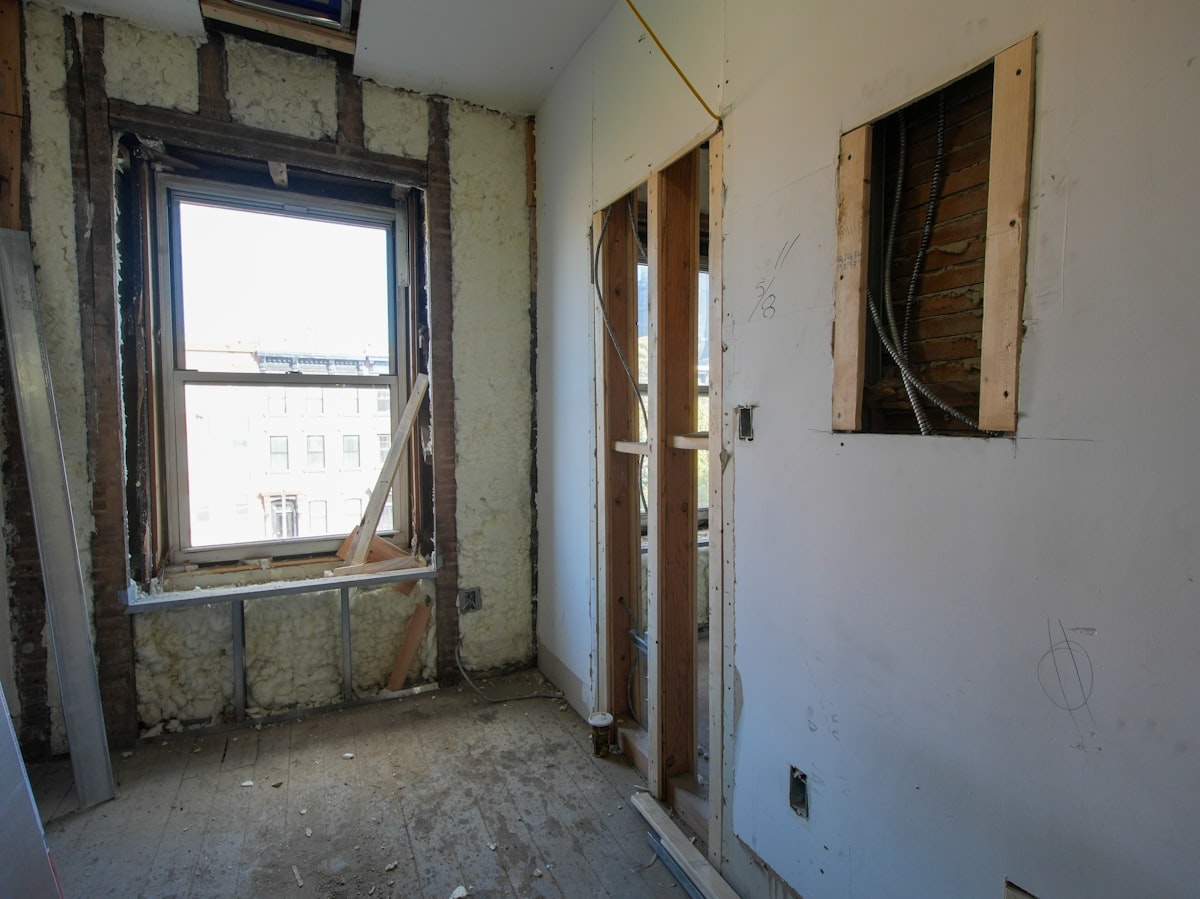
Photo by Olek Buzunov on Unsplash
The BC Home Flipping Tax, effective January 1, 2025, targets profits from residential property sales within 730 days of purchase. This provincial levy starts at 20% for sales under 365 days and declines to 0% after two years, applying separately from federal capital gains rules. It aims to curb short-term speculation in hot markets like Metro Vancouver, where average detached home prices hit $2.1 million in early 2026 amid low inventory.
In Fraser Valley, benchmark prices for single-family homes reached $1.4 million by Q1 2026, with flipping activity down 15% year-over-year due to the tax. Even primary residences face scrutiny unless exemptions apply, prompting sellers to rethink timelines. This guide breaks down the rules, exemptions, and local market effects to help you navigate BC real estate confidently.
What Is the BC Home Flipping Tax and How Does It Work?
BC's Home Flipping Tax imposes a rate on net taxable income from selling residential properties, presale contracts, or assignments held under 730 days. For Metro Vancouver sales within 365 days, the rate is 20% of profit; it drops in roughly 90-day steps, like 10% for 546-635 days, reaching 0% at 730 days. On a $200,000 profit from a Burnaby multiplex flip, a quick sale under 365 days incurs $40,000 in tax before federal obligations.
Filing occurs separately within 90 days of sale via a dedicated return, with penalties for delays. Unlike federal rules deeming flips as 100% business income, this is a distinct provincial tax calculated on full profit, not just gains. In Fraser Valley's Abbotsford, where townhomes average $950,000, a 300-day hold on a $150,000 gain yields about 15% tax, or $22,500, reshaping investor math.
Primary residences qualify for a $20,000 deduction only if held 365+ days, offering slim relief in Vancouver's $1.8 million condo market. Portions of properties are taxed separately; a Surrey lot sold after partial acquisitions might tax 30% at reduced rates if over 365 days.
Tax Rates and Timeline Breakdown
The tax peaks at 20% for dispositions within 365 days from acquisition, then phases out linearly post-year one until zero at day 730. Examples: a 636-729 day hold in Langley might face 5% on profit, saving $7,500 on a $150,000 gain versus early sale; under 365 days costs full 20%, or $30,000. Metro Vancouver's tight market, with Vancouver detached sales at $2.3 million average in 2026, amplifies impacts for flippers.
Hold periods use completion dates, covering strata presales common in Fraser Valley high-rises averaging $850,000. A March 2024 presale assigned before March 2026 triggers tax, but post-730 days avoids it entirely. Developers note 24+ month plans now essential, as quick flips erode 20% of margins in Coquitlam's $1.6 million benchmark segment.
Partial ownership sales allocate proceeds proportionally; a $1.6 million Richmond sale with portions held 20%, 30%, and 50% days calculates net income per slice, denying loss offsets. This precision hits multi-unit flips in growing areas like Maple Ridge.
Key Exemptions and Who Qualifies
Exemptions shield certain sales: life events like death, illness, divorce, relocation, or safety issues waive the tax. Licensed builders escape on new construction or renovated units adding housing; multiplex developers in Delta benefit by qualifying post-build. Related persons sales, including blood ties, marriage, or even some friends via corporations, are exempt.
Non-profits, governments, and First Nations bodies dodge entirely. Primary residences get a $20,000 profit deduction after 365 days, but not full relief like federal rules. In Fraser Valley's Chilliwack, where semis hit $900,000, a job-relocated seller avoids 20% on $120,000 gain.
No return needed if held 730+ days or fully exempt, easing compliance for long-term Langley holders amid 5% annual appreciation. Investors must document exemptions meticulously to counter audits in Vancouver's speculative zones.
Impacts on Metro Vancouver and Fraser Valley Markets
In Metro Vancouver, flipping volume fell 25% in 2026's first half, with Vancouver East condos at $1.2 million seeing fewer under-730-day sales. Surrey's $1.45 million detached average reflects caution, as 20% tax bites $50,000+ profits on quick turns amid 3% inventory rise. Fraser Valley benchmarks climbed to $1.35 million, but flip taxes cooled speculation in Mission townhomes ($750,000 range).
Developers adapt with longer holds; Burnaby multiplex projects now timeline 24 months, preserving viability in $2 million+ sales. Sellers face softer bids, as buyers factor tax risks in presales like Abbotsford's $1.1 million new builds. Overall, the tax stabilizes prices, with year-over-year gains at 4% versus 12% pre-2025.
Primary owners in high-demand Richmond ($1.9 million average) plan exits beyond two years, dodging penalties in a market with 18-month sales cycles.
Key Takeaways
- Tax hits 20% on profits from sales under 365 days, declining to 0% at 730 days; file return within 90 days if applicable.
- Exemptions cover life events, builders on new units, and related-party sales; primary homes get $20,000 deduction after 365 days.
- Metro Vancouver flipping down 25%, Fraser Valley benchmarks at $1.35 million with cooled speculation.
- Plan 24+ month holds for developers; presale assignments trigger tax based on original dates.
- Separate from federal rules, adding to income tax burdens in $1.4-$2.3 million local markets.
Free Tools for Your Home Search

Have Questions About This Topic?
Get personalized advice from Rose Marie about your real estate goals.
Book a Free Consultation