Top Real Estate Investment Strategies for BC in 2026
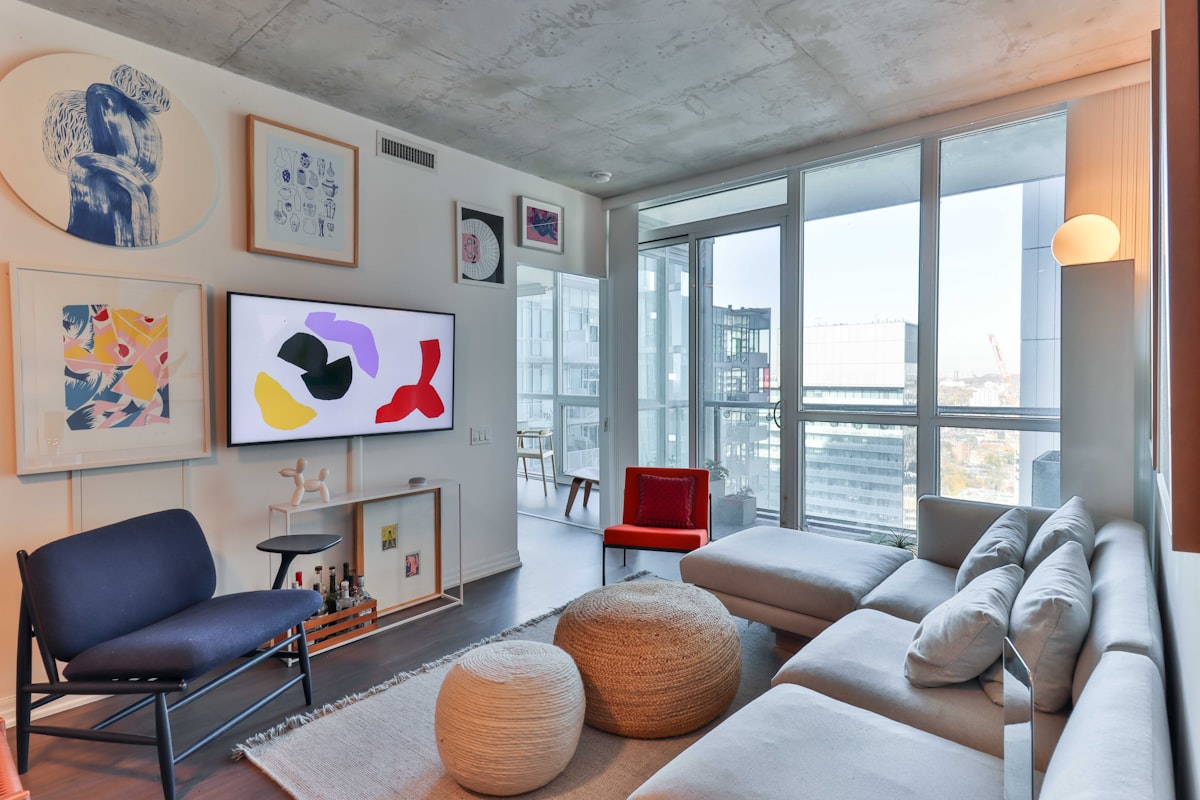
Photo by Lotus Design N Print on Unsplash
British Columbia's real estate market is undergoing a fundamental shift in 2026, moving away from the unified boom-and-bust cycles that characterized recent years. Rather than a single province-wide trajectory, the market is now displaying what analysts describe as a "two-speed" dynamic, with urban centres and outlying regions moving in distinctly different directions. This divergence creates both challenges and opportunities for investors who understand how to navigate the increasingly localized nature of BC's real estate landscape. Success in 2026 requires abandoning broad assumptions about "the BC market" and instead focusing on hyper-local fundamentals that vary significantly between Metro Vancouver, the Fraser Valley, and secondary markets throughout the province.
Urban Core Stability in Metro Vancouver and Surrounding Areas
Metro Vancouver continues to demonstrate resilience and relative stability as we move through 2026. Major population centres such as Vancouver maintain comparatively strong housing demand, supported by limited inventory, sustained long-term population growth, and robust employment opportunities. These factors continue to support pricing power, particularly for well-located properties in established neighbourhoods. The strength of urban markets provides investors with long-term stability and reliable rental demand, though entry costs remain elevated. For investors prioritizing capital preservation and steady cash flow over rapid appreciation, Metro Vancouver's established residential market offers the advantage of deeper liquidity and more predictable tenant demand. Commercial real estate in Vancouver also shows promise, with industrial markets remaining particularly strong due to limited space available for development in the region. The industrial sector's resilience in BC, driven by geographic constraints and ongoing logistics demand, continues to attract institutional and private capital seeking stable, long-term returns.
Regional Market Divergence and Secondary City Opportunities
Secondary and rural markets across BC are experiencing a markedly different trajectory than urban centres. These regions, which saw rapid price appreciation during the pandemic housing surge, are now adjusting to a more cautious buyer environment characterized by reduced transaction volumes and longer selling periods. However, this softness presents opportunities for patient investors willing to conduct thorough due diligence. The Fraser Valley and interior BC communities like Kelowna and the Okanagan demonstrate particular promise, with quality-of-life migration, remote work flexibility, and limited new construction creating compelling fundamentals for residential investments. Boardwalk and other residential REITs maintain exceptionally tight vacancy rates in these secondary markets, with occupancy rates at 98% or higher. Retail markets in secondary and tertiary cities are also trending positively and seeing the greatest runway for growth, as major brands follow demographic shifts and infrastructure investments into previously untapped markets. Investors in these regions should focus on properties with strong fundamentals and clear paths to value creation, as liquidity may be lower than in Metro Vancouver.
Specialized Asset Classes Showing Strong Fundamentals
Certain real estate asset classes are positioned for exceptional growth in 2026, regardless of geographic location. Seniors housing stands out as a particularly compelling opportunity, benefiting from strong market fundamentals driven by Canada's rapidly aging population. Demand for seniors housing is expected to surge and support double-digit rent growth that outpaces expense growth, while new supply remains limited due to the significant gap between current market rents and the rents needed to make new construction financially viable. This supply-demand imbalance means competition for seniors housing assets is intensifying as institutional investors recognize the asset class's potential. Industrial real estate in BC continues to demonstrate strength, with Vancouver's limited developable space creating ongoing scarcity value for existing and new facilities. Purpose-built rental housing is also gaining traction, with developers increasingly turning to this sector incentivized by government policy, though higher completions are expected to increase vacancy rates and moderate rental growth below historical averages through 2026. For investors seeking diversification beyond traditional residential, these specialized sectors offer defensive characteristics and demographic tailwinds.
Government Support and Strategic Investment Alignment
BC's 2026 budget signals strong government commitment to real estate and economic development through strategic initiatives that create investor opportunities. The province has established a $400 million Strategic Investments Special Account designed to align with major projects including large-scale mining, LNG, clean energy transmission, and other industrial projects. While not a stimulus program, this positioning tool demonstrates government intent to support major economic drivers that create real estate demand and employment. Budget 2026 investments in housing are nearly five times what they were in 2016, with measures creating approximately 95,000 homes through increased rental construction and protection from redevelopment. Additionally, federal government real estate rationalization efforts could accelerate in coming years, potentially freeing up sites for redevelopment or conversion to affordable housing and alternative uses. Investors should monitor these government initiatives closely, as they create infrastructure spending, employment growth, and development opportunities that directly impact real estate fundamentals. Understanding which regions and projects align with government priorities can help investors identify areas poised for stronger long-term appreciation and tenant demand.
Key Takeaways
- BC's real estate market is now a "two-speed" market with urban centres like Metro Vancouver showing resilience while secondary regions face softer conditions, requiring hyper-local investment analysis rather than broad provincial assumptions
- Secondary and interior BC markets including the Fraser Valley, Kelowna, and the Okanagan offer lower entry costs and compelling fundamentals with tight vacancy rates, particularly for patient investors willing to conduct thorough due diligence
- Seniors housing and industrial real estate represent specialized asset classes with exceptional growth tailwinds in 2026, driven by demographic aging and supply constraints respectively
- Metro Vancouver's urban market maintains pricing power and rental demand stability, making it suitable for investors prioritizing long-term cash flow over rapid appreciation despite higher entry costs
- BC's $400 million Strategic Investments Special Account and increased housing budget create government-backed opportunities aligned with major projects, infrastructure spending, and employment growth that benefit real estate fundamentals
Free Tools for Your Home Search

Have Questions About This Topic?
Get personalized advice from Rose Marie about your real estate goals.
Book a Free Consultation